
 Facebook
 X
X LinkedIn
 Forward
Zachary Kennedy, MD
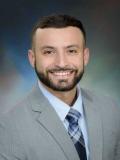
Zachary Kennedy was born in Houston, Texas, and raised in Friendswood. Zachary’s early experiences shaped his passion for medicine and community service. He earned his undergraduate degree in Clinical Laboratory Sciences from the University of Texas Medical Branch (UTMB) School of Health Professions, where he served as Volunteer Laboratory Director at St. Vincent’s Student-Run Free Clinic, sparking his dedication to healthcare accessibility and patient advocacy.
Continuing at UTMB School of Medicine, Zachary took on multiple leadership roles at St. Vincent’s, serving as Junior and later Senior Medical Director of the Volunteer Recruitment Committee and leading initiatives such as the Community Walking Group and annual health fair. His commitment to healthcare equity led him to establish an Adult Transgender and Intersex Patient Clinic, reinforcing his belief that mental health is the foundation for physical health. In recognition of his leadership, he was elected President of the Gold Humanism Honor Society. These experiences solidified his desire to pursue academic psychiatry, integrating clinical practice, education, and policy advocacy.
During his psychiatry residency at UT Southwestern (UTSW), Zachary developed a strong interest in Addiction Psychiatry, particularly its overlap with interventional psychiatry and neuromodulation. He was an active participant in the Interventional Psychiatry Concentration (IPC), where he gained hands-on experience with neuromodulation techniques such as electroconvulsive therapy (ECT) and transcranial magnetic stimulation (TMS). His involvement in IPC deepened his understanding of brain circuit-based interventions and their potential role in treatment-resistant psychiatric disorders, particularly in addiction. This experience reinforced his belief that a multimodal approach—including psychosocial interventions and interventional treatments—is critical for addressing complex substance use disorders.
His dedication to education extended into curriculum development, where he designed and implemented an anti-racism module for medical students focusing on the unhoused population and structural violence in Dallas' history. Additionally, he created a psychedelic medicine workshop that provided an in-depth exploration of the history, research, and clinical implications of substances like Ketamine, Psilocybin, LSD, and MDMA. As an APA Leadership Fellow, he engaged in psychiatric advocacy and policy development through the APA Council on Addiction Psychiatry.
Zachary’s passion for Addiction Psychiatry lies in its intersection with neuroscience, interventional treatments, and social determinants of health, three pillars essential for addressing addiction at its core. He has witnessed how addiction is often a treatable psychological dependency, yet systemic barriers prevent many from accessing care. His work at St. Vincent’s Free Clinic reinforced the value of leveraging community resources to support vulnerable populations. Additionally, his interest in neuromodulation, psychedelic-assisted therapies, and emerging pharmacotherapies aligns with Addiction Psychiatry’s evolving landscape, where treatments like psilocybin and ketamine for alcohol use disorder, or TMS for smoking cessation, showcase the potential of brain circuit modulation in addiction recovery. His goal is to deepen his understanding of addiction neurobiology, refine screening and assessment tools, and integrate psychosocial interventions with cutting-edge neuroscience to help patients reclaim their autonomy and well-being.
Beyond the biological and therapeutic complexities of addiction, what truly draws Zachary to the field is its ability to restore patient agency and promote lasting recovery. Addiction often thrives in isolation, shame, and structural inequities, yet effective treatment offers a path to rebuilding identity, restoring relationships, and reestablishing purpose. In his clinical experiences, he has witnessed how group counseling, harm-reduction strategies, and trauma-informed care can transform lives. However, he recognizes that traditional approaches alone are insufficient—advances in neuromodulation, psychedelic therapies, and interventional psychiatry present new opportunities to help patients with treatment-refractory conditions. He seeks training in a program that fosters scientific curiosity, interdisciplinary collaboration, and patient-centered innovation, equipping him with the skills to push the boundaries of addiction treatment while remaining deeply grounded in compassionate, holistic care.
Financial relationships
-
Type of financial relationship:There are no financial relationships to disclose.Date added:03/12/2025Date updated:03/24/2026
**Disclaimer**
This Continuing Medical Education (CME) Learning Management System, Ethos, includes individuals designated as 'faculty' for CME purposes. Please note that the term 'faculty' refers solely to their role as a contributor/planner within a CME activity and does not imply any formal affiliation with UT Southwestern Medical Center (UTSW). The display of names and credentials is intended for educational purposes only and does not necessarily indicate a professional or academic relationship with UTSW. Participants are encouraged to verify the affiliations and credentials of faculty members independently if further clarification is needed.